Fixelunor / Workshop knowledge
Tool Care & Maintenance
Better care. Better performance. More confidence in every project.
Great work begins with tools that are clean, properly stored, and ready for the next task. Discover practical ways to maintain your hand tools, power equipment, cutting accessories, and everyday workshop essentials.
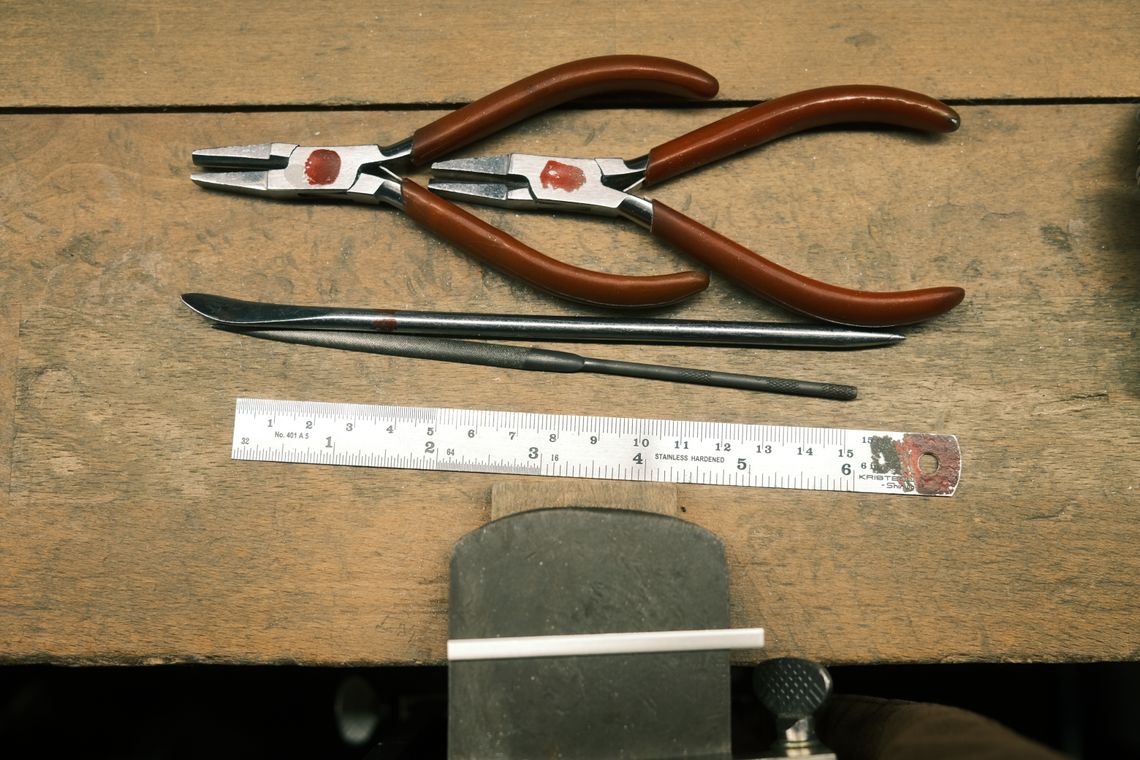
01 / Everyday maintenance
The Five-Minute Reset.
A short routine after each project helps prevent avoidable wear, moisture damage, and disorganization. Begin with these four essentials.
Remove debris.
Brush away dust, sawdust, metal particles, and other residue. Use a soft brush or dry cloth suited to the tool and its finish.
Keep tools dry.
Wipe away moisture before storage. Pay attention to metal joints, fastener surfaces, and other areas where moisture can collect.
Inspect for wear.
Look for loose handles, cracked housings, damaged cutting edges, worn grips, and unusual movement before returning equipment to storage.
Store with purpose.
Return each tool to a dedicated case, rack, drawer, or organizer. Protect sharp edges and keep equipment away from damp conditions.
Before maintenance: Turn off power tools, unplug corded equipment, remove detachable batteries where applicable, and allow moving components to stop completely. Follow the manufacturer's safety and maintenance instructions before cleaning, adjusting, or servicing any equipment.
02 / Powered equipment
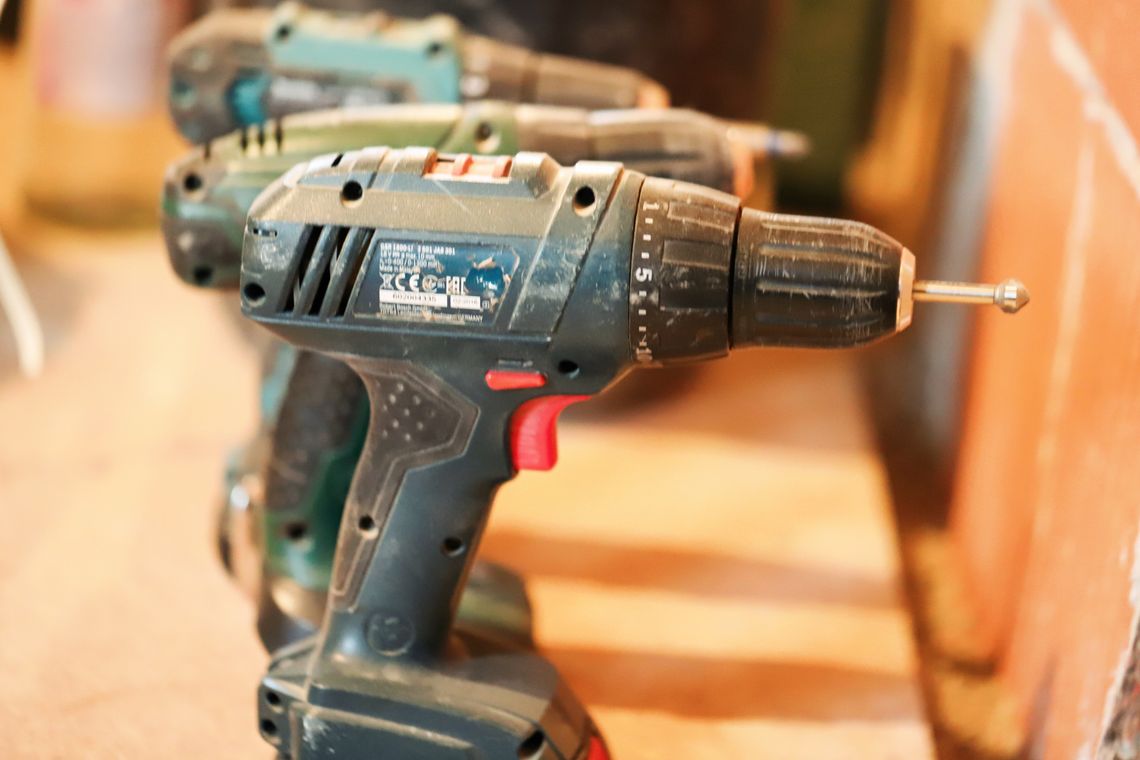
Care Behind the Power.
Drills, drivers, sanders, and similar equipment perform best when their moving parts, accessories, and ventilation areas are kept in good condition.
Different power tools have different service requirements. Always use the manufacturer's instructions as the primary maintenance reference.
-
01
Clear ventilation areas.
Remove surface dust from accessible vents using manufacturer-approved methods. Avoid forcing moisture or debris into the housing.
-
02
Inspect cables and batteries.
Check cords, plugs, battery contacts, and battery housings for damage. Never use swollen, leaking, or visibly damaged batteries.
-
03
Check fitted accessories.
Examine drill bits, sanding pads, blades, and attachments for wear or damage. Replace unsuitable accessories before further use.
-
04
Store equipment correctly.
Keep tools clean, dry, and protected from extreme temperatures. Follow the manufacturer's guidance for battery charging and long-term storage.
03 / Category-specific guidance
Know Your Equipment.
Different tools require different care. Use these practical recommendations as a starting point, together with each product's instructions.
Screwdrivers & Hex Tools
Keep tips clean and free of accumulated debris. Inspect driving edges for rounding, twisting, or cracks. Avoid using an undersized driver that could damage a fastener or the tool.
Pliers & Wrenches
Remove residue from jaws and moving joints. Where recommended, apply a small amount of suitable lubricant to pivot points, then remove any excess.
Hammers & Cutting Tools
Inspect hammer heads, handles, and fastening connections before use. Protect sharp blades, keep cutting surfaces clean, and replace damaged components.
Drill Bits & Attachments
Brush away chips after use once components have cooled. Inspect cutting edges for damage and store bits in suitable holders that reduce accidental impact between edges.
Measuring & Leveling
Protect tape measures, levels, marking tools, and measuring surfaces from heavy impacts. Keep measurement faces clean and dry. Check accuracy when damage is suspected.
Electrical Repair Tools
Examine insulated handles, test leads, and electrical accessories for damage. Do not use cracked or compromised insulated equipment. Follow the applicable electrical safety procedures.
Plumbing Repair Tools
Rinse or wipe approved tools after exposure to water or residue. Dry metallic surfaces, check adjustable mechanisms, and avoid storing damp equipment in enclosed cases.
Tapes & Adhesives
Close containers securely and observe product expiration dates. Store chemicals and adhesives according to their labels and safety information, away from incompatible materials and excess heat.
Workwear & Protection
Clean protective equipment using the manufacturer's approved methods. Inspect gloves, eye protection, helmets, and other safety gear. Replace items that no longer provide appropriate protection.
04 / Blades and cutting edges
Precision Needs Care.
A damaged or unsuitable cutting edge can affect accuracy, work quality, and safety. Keeping blades, saws, and cutting accessories in good condition is an important part of tool ownership.
Sharpen only accessories designed for sharpening, using the correct tools, guards, and techniques. Replace disposable, chipped, cracked, or otherwise unsafe blades as directed by their manufacturer.
Check before cutting.
Look for missing teeth, cracks, deformation, and abnormal wear.
Remove buildup safely.
Use cleaning methods suitable for the blade material and coating.
Protect sharp edges.
Use suitable blade covers or holders to reduce accidental contact.
Know when to stop.
Replace damaged accessories rather than attempting unsafe repairs.

05 / Routine checklist
Build a Better Routine.
Use this practical checklist to organize basic maintenance. Inspection frequency should increase with tool usage, working conditions, and manufacturer requirements.
After Every Use
A simple reset after each task helps keep tools ready for future work.
Every Few Weeks
For frequently used tools, consider a more detailed condition check.
Seasonal Review
Review less frequently used tools and prepare equipment before major projects.
06 / Workshop organization
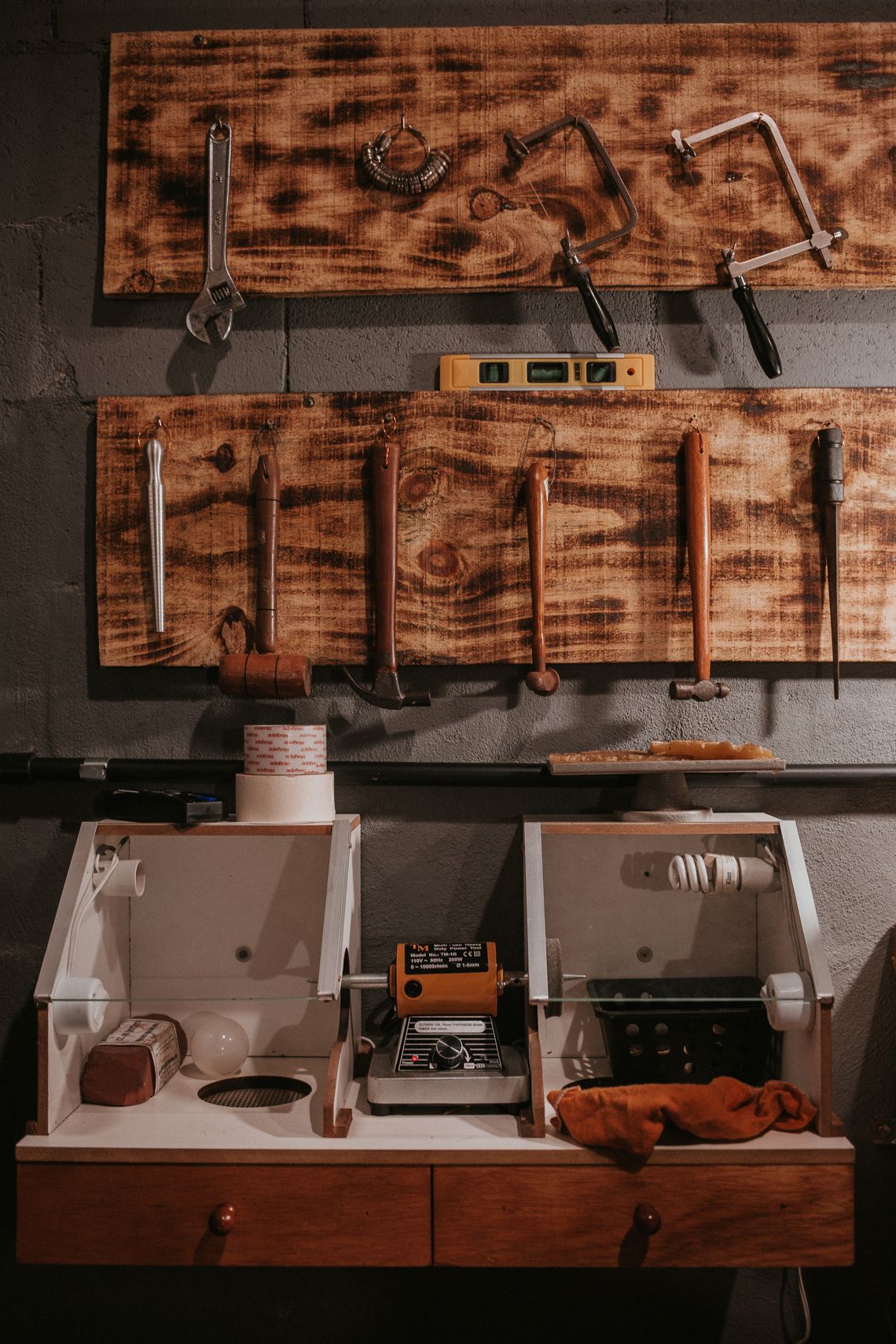
Store with Intention.
Proper storage does more than make a workshop look organized. It helps prevent physical damage, moisture exposure, and unnecessary contact between tools.
Build a storage system around how your tools are used. Keep frequently needed equipment accessible and protect specialized accessories appropriately.
Avoid unnecessary exposure to moisture, outdoor weather, or extreme heat.
Store blades, drill bits, and pointed tools in appropriate holders or cases.
Group hand tools, measuring equipment, fastening accessories, and power tools logically.
Follow label instructions for adhesives, lubricants, cleaners, and other workshop chemicals.
07 / Condition and safety
Know When to Replace.
Cleaning and maintenance cannot restore every damaged component. Some warning signs call for replacement or qualified repair.
Damaged electrical parts
Frayed cords, cracked plugs, damaged battery packs, overheating, smoke, unusual odors, or exposed conductors require immediate attention. Stop using the equipment and seek appropriate professional service or replacement.
Cracked cutting accessories
Cracked blades, missing teeth, deformed cutting wheels, and damaged drill bits can create serious hazards. Do not use accessories that fail the manufacturer's inspection requirements.
Loose or broken handles
A loose hammer head, splitting handle, damaged tool grip, or compromised wrench can reduce control. Remove the affected tool from service until properly repaired or replaced.
Compromised safety gear
Damaged eye protection, cracked helmets, defective insulated tools, or worn protective equipment may no longer provide appropriate protection. Follow the manufacturer's replacement criteria.
08 / Tool care questions
Answers for the Workshop.
Practical answers to common questions about keeping tools in good condition.
How often should I clean my tools?
A quick wipe and visual inspection after each use is a good general habit. More intensive cleaning depends on the tool type, working environment, frequency of use, and manufacturer recommendations.
Can I wash power tools with water?
Do not immerse power tools in water or use water inside electrical housings unless the manufacturer specifically permits that cleaning method. Disconnect power before cleaning and follow the approved instructions for the equipment.
How can I prevent rust on metal tools?
Keep tools clean and dry, reduce exposure to humidity, and store them in a protected location. Where the manufacturer permits, an appropriate protective product may help protect exposed metal surfaces. Avoid applying lubricants to components where they are not recommended.
Should every moving part be lubricated?
No. Some components are sealed, pre-lubricated, or designed to operate without additional oil or grease. Use only the lubricant type and application method specified by the manufacturer. Incorrect lubrication can attract debris or damage materials.
What is the best way to store batteries?
Follow the battery and charger manufacturer's storage guidance. Generally, avoid excessive heat, moisture, impact, and contact between exposed terminals and conductive objects. Never charge or use batteries that show swelling, leakage, or other damage.
When should I replace a cutting blade?
Replace blades that are cracked, chipped, deformed, missing teeth, or otherwise considered unsafe by the manufacturer. Excessive wear and poor cutting performance may also indicate that replacement is necessary. Never attempt to repair a damaged blade in an unauthorized manner.
Are the same cleaning products safe for all tools?
No. Solvents, degreasers, oils, and abrasive cleaners can affect plastics, rubber grips, protective coatings, electrical components, and specialized surfaces. Always confirm material compatibility and follow the product manufacturer's cleaning recommendations.
Guidance from Fixelunor
Keep the Work Moving.
Tool maintenance starts with knowing your equipment. Whether you're checking product compatibility, looking for a suitable replacement accessory, or reviewing the details of a recent purchase, Fixelunor is here to help.
Our customer support team is available 24 hours a day, 7 days a week to assist with product information, orders, shipping, returns, and exchanges.
For repair procedures involving electrical systems, complex machinery, or safety-critical components, consult the manufacturer's instructions or an appropriately qualified professional.
Fixelunor — 4115 Turning Leaf Ct, Lewisburg, TN 37091, United States
Tools for work well done.