Fixelunor / The creative workshop
DIY Projects & Ideas
Make something useful. Build something personal.
A thoughtful weekend project can make everyday life feel more organized, functional, and rewarding. Discover approachable ideas for home storage, woodworking, outdoor spaces, and practical upgrades using the right tools and materials.

01 / The maker mindset
Start With an Idea.
You do not need a large workshop to make meaningful improvements around your home.
The best DIY projects often begin with a small everyday inconvenience: a crowded entryway, a cluttered workbench, a shelf that could use better organization, or an outdoor space that needs a practical finishing touch.
A carefully planned project can improve how a room functions while offering the satisfaction of creating something yourself.
Begin with manageable tasks, understand the materials, check your measurements, and choose equipment suitable for the work. Build your confidence through preparation rather than rushing into complicated projects.
The goal is not perfection on the first attempt. It is thoughtful progress, safe working habits, and results that serve a real purpose.
02 / Choose a direction
Find Your Project.
Start with the space you want to improve. Explore practical project ideas organized around your home, outdoor environment, and working area.
Home & Interior
Explore display ledges, entryway organization, small decorative installations, and useful indoor improvements.
Explore indoor ideasGarden & Outdoor
Discover simple planter concepts, small garden organization solutions, and practical ways to improve outdoor areas.
Explore outdoor ideasWorkshop & Storage
Create a more functional tool wall, improve small-parts storage, or design a more efficient setup for your working equipment.
Explore workspace ideasThe Display Ledge.
A simple wall-mounted display ledge can add visual interest and create useful space for lightweight decorative objects.
The most successful shelf projects begin with accurate measurements, appropriate mounting hardware, and a clear understanding of the wall construction.
Keep the design proportional to the room and consider how the finished shelf will complement the surrounding furniture.
Choose the location.
Consider available wall space, intended shelf load, nearby furniture, and accessibility. Check for concealed utilities before any drilling.
Plan the dimensions.
Measure the intended width, depth, and position. Select a shelf design suitable for the planned objects and wall material.
Select safe mounting.
Follow the shelf system's installation instructions, anchor specifications, and published load limits. Use suitable structural support where required.
Finish the composition.
After confirming that the installation is secure, arrange lightweight decorative objects without exceeding the rated capacity.
Tape measure, level, suitable shelf materials, compatible brackets or mounting system, appropriate anchors and fasteners, and required protective equipment.


Measure, Then Make.
A small wooden organizer, desk tray, or simple storage box can be a satisfying introduction to woodworking.
Begin with a modest design that uses a limited number of components and straightforward assembly methods.
Accurate measurements, suitable material selection, and careful handling will often contribute more to the final result than complicated construction.
Define the purpose.
Decide what the organizer should hold and where it will be used. This determines the needed dimensions and construction method.
Prepare a simple drawing.
Record the overall dimensions, individual component sizes, and intended joining points. Check each measurement before preparing materials.
Use suitable materials.
Select appropriately sized wood products and compatible fasteners or adhesives. Follow relevant tool and product instructions.
Inspect the result.
Confirm that edges, joints, and surfaces are appropriate for their intended use. Apply a compatible finish if necessary.
Tape measure, square, pencil, suitable wood, clamps, compatible fasteners, project-appropriate cutting equipment, and protective gear. Cutting work requires appropriate training and safety precautions.
The Entryway Edit.
The entryway is one of the busiest parts of a home. A carefully planned wall-hook arrangement can reduce clutter and create a more welcoming first impression.
Think about the everyday items that need a place: coats, hats, reusable bags, or lightweight accessories.
Choose a layout that offers convenient access while keeping the walking area clear.
Plan the daily use.
Identify the items to be stored, their expected weight, and the space available for hanging.
Choose the arrangement.
Consider a simple row of individual hooks or a suitable mounted rail. Check spacing and reach for everyone using the area.
Confirm secure support.
Follow the hook manufacturer's load ratings and installation instructions. Match the mounting hardware to the actual wall structure.
Keep the design uncluttered.
Leave enough space between hooks and nearby doors or furniture. Avoid loading the installation beyond its rated capacity.
Measuring tape, level, suitable wall hooks or rail, manufacturer-approved fasteners and anchors, and the appropriate installation tools.

More ideas / Everyday improvements
Small Changes Matter.
Not every useful project needs extensive construction. Consider these focused ideas for making everyday spaces more practical.
Drawer Dividers
Create removable compartments that separate office supplies, hobby materials, or small household items. Measure the internal drawer dimensions before selecting divider materials.
Storage / InteriorsCable Organization
Improve your desk with suitable cable clips, sleeves, or accessible cable-routing accessories. Keep cords away from pinching, heat, and sharp edges.
Workspace / OrganizationA Compact Tool Caddy
Design a small portable holder for frequently used hand tools. Consider handle comfort, stable construction, suitable material thickness, and safe storage for sharp tools.
Workshop / StorageCabinet Refresh
Replace compatible decorative handles or knobs to update a cabinet's appearance. Check existing hole spacing, screw length, and door thickness before purchasing hardware.
Hardware / InteriorsUtility Room Labels
Add durable labels to tool cases, storage drawers, and supply containers. Identify fasteners by specification and keep hazardous products in their original labeled packaging.
Utility / OrganizationA Plant Display
Create a simple freestanding display for lightweight plant pots. Plan for moisture, stable support, plant weight, and suitable water-resistant materials.
Decor / Indoor Plants
Bring It Outside.
A simple wooden planter can introduce natural texture and color to a patio, garden corner, or outdoor seating area.
A successful planter project is about more than appearance. The design needs to account for wet soil, drainage, weather exposure, and the weight of the completed container.
Choose a stable, manageable design before considering decorative details.
Choose the planting purpose.
Consider the plants' mature size, root depth, light needs, and watering requirements. Determine the container dimensions accordingly.
Select outdoor materials.
Use suitable moisture-resistant materials and hardware. For edible plants, verify that any materials contacting soil are appropriate for the intended use.
Plan drainage and support.
Include appropriate drainage for the plants and protect surrounding surfaces from water. The structure must support the full weight of wet soil and plants.
Finish for the environment.
Choose a suitable exterior finish if required, following the manufacturer's application and curing guidance. Inspect for splinters and sharp edges.
Measuring tape, square, suitable outdoor timber, compatible exterior-rated fasteners, appropriate assembly tools, planting supplies, and protective gear.
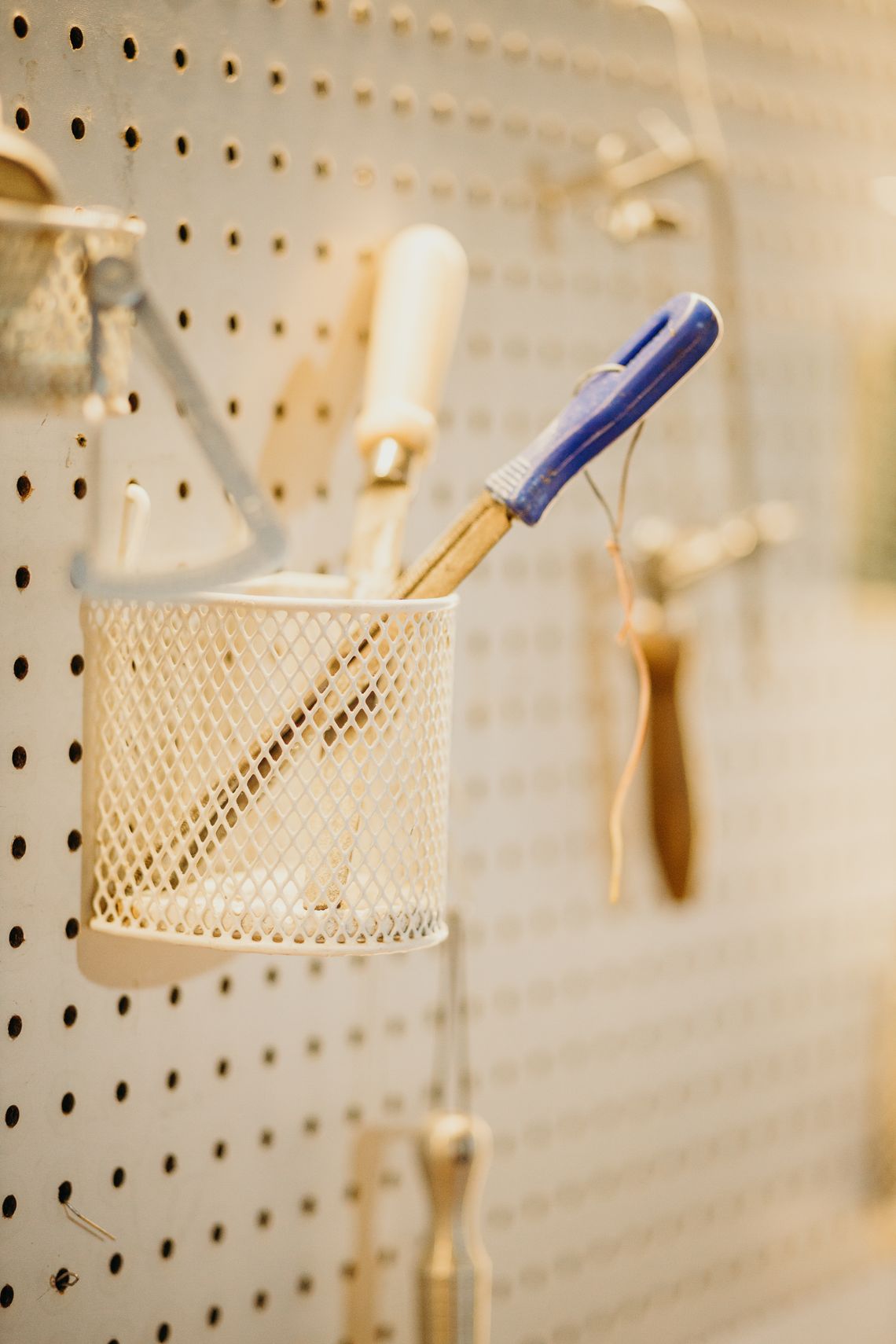
Project 05 / Workshop organization
Upgrade Your Workbench.
A better workspace does not always require a new bench. Thoughtful tool placement, clearly labeled storage, and accessible equipment can improve how everyday tasks flow.
A pegboard, suitable rack, or modular storage system can make frequently used hand tools easier to locate and return after use.
Plan the layout around the equipment you own and the work you perform most often.
Sort before mounting.
Group screwdrivers, pliers, wrenches, measuring equipment, and frequently used accessories by function.
Plan the working zone.
Position common tools within comfortable reach. Keep the work surface available and avoid obstructing lighting or electrical access.
Secure storage correctly.
Use mounting hardware appropriate for the wall and the storage system's rated capacity. Heavier equipment may require dedicated shelving or cabinets.
Build a reset routine.
Return tools after use, inspect storage connections, and keep small parts separated in labeled containers.
Tools and materials / The essentials
Choose With Purpose.
A project's success depends on choosing suitable tools and components. Build a small, practical collection around the tasks you actually do.
Measure & Mark
Tape measures, levels, squares, and marking tools support accurate layouts, aligned installations, and better project planning. Check precision and suitability for each task.
Drive & Fasten
Screwdrivers, hex tools, drills, driver bits, screws, anchors, and brackets help assemble or install components. Correct compatibility is essential.
Prepare & Finish
Suitable sanding accessories, fillers, sealants, and finishing materials help prepare surfaces and complete projects. Always follow product application instructions.
Store & Protect
Toolboxes, organizers, clamps, eye protection, hearing protection, and other appropriate safety equipment help create a more controlled workspace.
Before cutting, drilling, mounting, or using powered equipment, assess the material, work area, hidden utilities, tool condition, and required protective equipment. Follow manufacturer instructions. Work involving structural systems, hazardous materials, or electrical and plumbing systems may require qualified professionals.
Project planning / Before you start
Plan. Make. Finish.
An organized project often feels more enjoyable because fewer decisions need to be made in the middle of the work.
Use this checklist to prepare your workspace, confirm important details, and make sure your chosen project is appropriate for your experience.
This checklist works without JavaScript. Selections are temporary and are not saved between page visits.
DIY questions / Practical answers
Before You Begin.
Helpful answers to common questions about selecting projects, choosing materials, and developing useful DIY skills.
What is a good first DIY project?
A simple drawer organizer, removable desk tray, or nonstructural decorative project can be a manageable starting point. Choose something with clear dimensions, limited components, and tools you already understand how to use.
Projects involving electrical systems, major structural loads, complex plumbing, or hazardous materials are not suitable beginner tasks.
Do I need a full workshop to start?
No. Some small projects can be completed in a suitable temporary workspace with a limited number of tools. The area must provide appropriate stability, ventilation where needed, adequate lighting, and a safe way to handle materials.
Which tools should a beginner buy first?
Start with tools suited to your actual projects. A tape measure, level, suitable screwdriver set, pliers, and a small collection of common hand tools may be useful.
Add powered equipment and specialized accessories when a specific task requires them. Include appropriate safety equipment from the beginning.
How do I choose wood for a project?
Consider the project's intended use, dimensions, structural requirements, moisture exposure, appearance, and finishing needs. Indoor decorative projects may have different requirements from outdoor planters or load-bearing furniture.
Confirm that your chosen material is suitable for the application and your available tools.
Can I use the same screws for every project?
No. Fastener choice depends on the materials, dimensions, joining method, environment, and load requirements.
A screw suitable for assembling lightweight wood components may be inappropriate for mounting hardware or outdoor exposure. Use compatible components according to the manufacturer's specifications.
How do I avoid measurement mistakes?
Use a consistent measurement system, clearly label dimensions, verify the available space, and review your project drawing before preparing materials.
Account for material thickness, fitting clearances, and the dimensions of assembled components. Double-check measurements before cutting or drilling.
How should I plan a wall-mounted project?
Identify the wall material and the intended load. Review mounting hardware specifications and locate suitable support. Consider concealed wiring and plumbing before drilling.
Heavy shelving, overhead installations, or uncertain wall structures may require qualified assessment or installation.
What makes an outdoor project durable?
Outdoor projects need materials and finishes suitable for their exposure to moisture, sunlight, temperature changes, and mechanical loads.
Consider drainage, corrosion-resistant hardware, suitable protective coatings, and ongoing maintenance. Follow relevant manufacturer instructions.
How can I keep DIY projects affordable?
Choose projects with a clear purpose, make a materials list, check your measurements, and avoid buying tools you do not need.
Plan for appropriate safety equipment, finishing supplies, and possible material waste. Reusing sound, suitable materials may be practical when their condition and compatibility are understood.
Create with Fixelunor
Make the Next Idea Real.
Every useful project begins with curiosity, planning, and the willingness to learn. Whether you're creating simple storage, improving an entryway, or organizing your workshop, the right equipment can make the process easier to approach.
Fixelunor offers hand tools, power accessories, measuring equipment, fasteners, brackets, repair supplies, tool storage, and protective gear for everyday project needs.
Our customer support team is available 24 hours a day, 7 days a week to help with product information, orders, shipping, returns, and exchanges.
Fixelunor — 4115 Turning Leaf Ct, Lewisburg, TN 37091, United States
Imagine. Make. Improve.